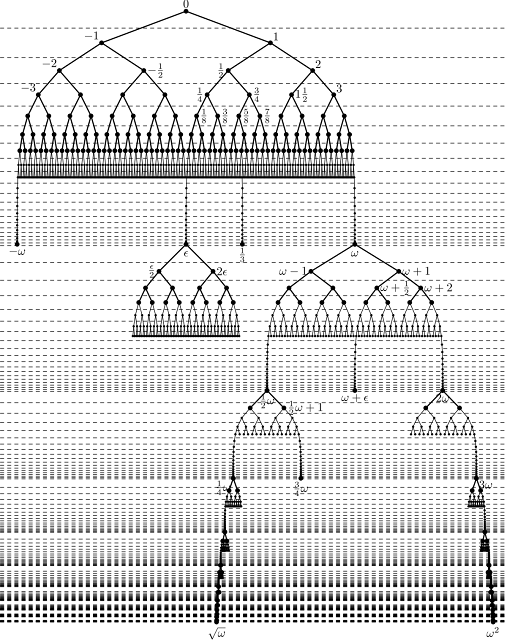
Some limitations of reductionism about epistemology
This post is largely based on a lightning talk I gave at a Genesis event on metacognition, with some editing to clarify and expand on the arguments. Reductionism is the strategy of breaking things down into smaller pieces, then trying to understand those smaller pieces and how they fit together into larger pieces. It’s been an excellent strategy for physics, for most of science, for most of human knowledge. But my claim is that, when the thing we're trying to understand is how to think, being overly reductionist has often led people astray, particularly in academic epistemology. I’ll give three examples of what goes wrong when you try to be reductionist about epistemology. Firstly, we often think of knowledge in terms of sentences or propositions with definite truth-values - for example, “my car is parked on the street outside”. Philosophers have debated extensively what it means to know that such a claim is true; I think the best answer is the bayesian one, where we assign...